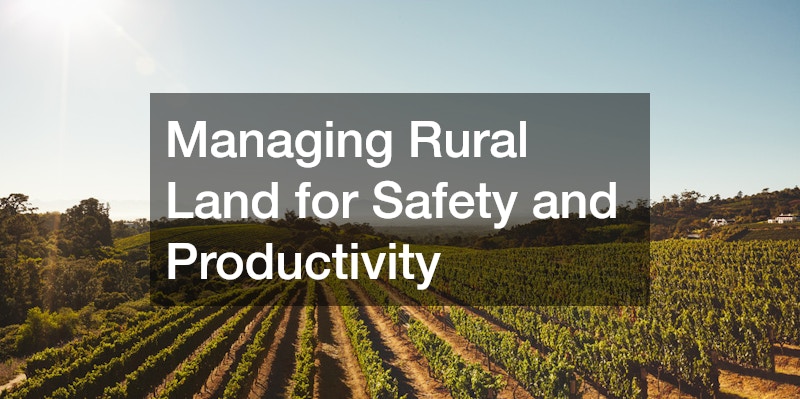
Rural land can serve many purposes, from agriculture and livestock operations to residential use, commercial development, recreation, and long-term investment. Whatever the goal, successful land management requires more than simply owning acreage. Property owners must consider access, water, drainage, soil conditions, environmental risks, utilities, infrastructure, financing, and ongoing maintenance.
Managing these elements carefully can improve productivity while reducing safety risks and unexpected expenses. Rural properties often depend on specialized systems that may not be found in developed urban areas, including private wells, septic or wastewater infrastructure, unpaved roads, agricultural equipment, and independent fire protection measures.
A thoughtful land management strategy brings these systems together. By understanding the property, investing in dependable infrastructure, and working with qualified professionals when specialized expertise is needed, landowners can create safer and more productive properties.
Start With a Clear Understanding of the Property

Before making significant improvements, property owners should understand exactly what they are working with. Rural parcels can contain irregular boundaries, easements, drainage areas, wetlands, steep grades, underground utilities, and other conditions that influence future projects.
Professional land surveyors can establish property boundaries, identify easements, locate existing improvements, and provide information that may be necessary before construction or development begins. Surveys can be particularly useful before installing fencing, building access roads, constructing agricultural buildings, subdividing land, or purchasing neighboring acreage.
Knowing property boundaries can also help prevent disputes with adjoining owners. A fence, driveway, well, or building placed in the wrong location can become expensive to correct later.
Beyond boundaries, landowners should evaluate soil composition, slopes, vegetation, water movement, and existing infrastructure. A property that appears suitable for a new building or field may present drainage problems during heavy rain. Other areas may require clearing, grading, erosion control, or improved access before they can be used effectively.
Gathering this information early gives owners a foundation for making better decisions throughout the property.
Protect Water Resources and Maintain Reliable Supply
Water is one of the most important resources on rural land. Farms, homes, livestock operations, landscaping, and commercial facilities may all depend on private water systems.
Properties without municipal water frequently require a professional drilling service to establish or maintain wells. Well location should be planned carefully because geological conditions, nearby septic systems, drainage patterns, and intended water use can affect the success of the project.
Agricultural properties may require considerably more water than residential parcels. Irrigation systems, livestock watering systems, wash stations, and processing activities can place substantial demands on pumps and wells.
Routine inspection is important because a water system failure can quickly disrupt agricultural operations. Owners who depend heavily on irrigation should have a plan for agricultural well pump repair when pumps lose pressure, become inefficient, experience electrical problems, or stop working entirely.
Preventive maintenance can also extend equipment life. Pressure tanks, control boxes, electrical connections, pipes, valves, and pumps should be inspected periodically for signs of wear.
Landowners should also protect wellheads from contamination and keep potentially hazardous materials away from water sources. Fertilizers, fuel, animal waste, and chemicals should be stored and handled carefully to reduce the possibility of pollutants entering groundwater.
Consider Renewable Heating and Cooling Opportunities.

Rural properties sometimes offer opportunities for energy systems that require more physical space than traditional residential lots can provide. Geothermal systems are one example.
Depending on local geology and available land, geothermal drilling can create underground loops or wells that support geothermal heating and cooling systems. These systems exchange heat with the relatively stable temperature below the earth’s surface.
Property owners considering geothermal infrastructure should evaluate installation requirements during the broader land planning process. The location of underground systems may need to be coordinated with wells, septic fields, utilities, buildings, roads, and future construction.
Planning ahead becomes especially important on agricultural and commercial properties where land use may change over time. Installing underground infrastructure without considering future barns, shops, storage areas, or driveways could limit expansion options.
Mapping underground systems and keeping accurate records can help future contractors avoid damaging them during excavation.
Manage Wastewater Responsibly
Wastewater is another major concern on properties located beyond municipal sewer systems. Homes, farms, rural businesses, workshops, and event facilities may require independent wastewater infrastructure.
A dependable wastewater service can help property owners evaluate, install, maintain, pump, or repair systems designed to handle wastewater safely. The exact system required will depend on property use, soil conditions, local regulations, and wastewater volume.
Neglected wastewater systems can create serious problems. Slow drains, foul odors, pooling water, sewage backups, and unusually wet areas near a drain field may indicate that professional attention is needed.
Landowners should avoid driving heavy equipment over septic fields or placing structures on top of underground wastewater components. Compacted soil or damaged pipes can reduce system performance.
Agricultural operations may have additional waste management needs involving wash water, livestock areas, processing facilities, or other activities. Proper planning can help prevent contamination of wells, streams, ponds, and neighboring properties.
Keeping water supply and wastewater systems properly separated is one of the most important elements of maintaining a safe rural property.
Improve Access Throughout the Property
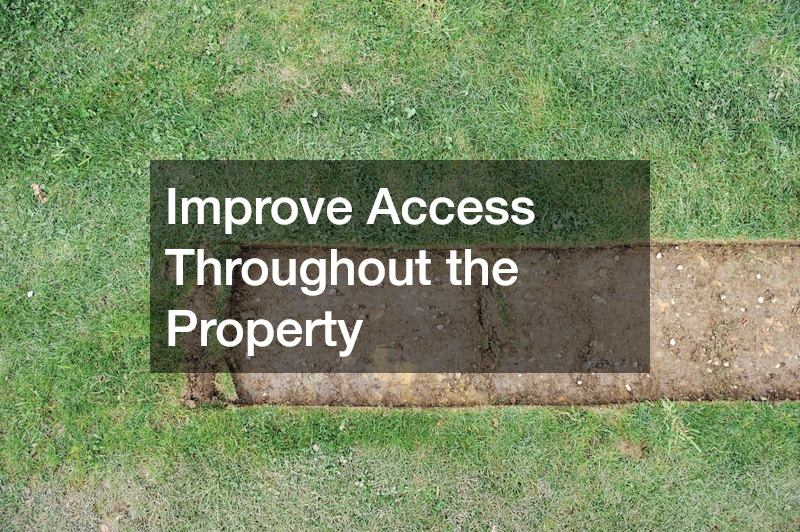
Reliable access affects nearly every aspect of rural land management. Owners need dependable routes to homes, barns, fields, workshops, storage areas, equipment yards, and livestock facilities.
Poorly maintained roads can develop potholes, washouts, ruts, standing water, and erosion. These problems may slow equipment, damage vehicles, or make sections of a property difficult to reach during severe weather.
For heavily traveled properties, a private drives asphalt contractor can help create or improve durable access routes. Asphalt may be appropriate for residential driveways, commercial entrances, equipment access areas, and other surfaces where dependable vehicle movement is important.
However, successful road construction begins below the surface. Proper grading, drainage, base preparation, and water management can significantly affect how long a driveway or roadway performs.
Culverts, ditches, and drainage channels should also be inspected regularly. When these become blocked with sediment or vegetation, water may flow across roads instead of beneath them.
Good access is not simply a convenience. Emergency vehicles, utility crews, agricultural equipment, delivery trucks, and maintenance contractors may all depend on reliable roads.
Reduce Environmental Hazards Around Buildings
Rural settings can feel clean and open, but environmental hazards can still be present inside homes and occupied buildings. One example is radon, a naturally occurring radioactive gas that can enter structures through cracks and openings in foundations.
Property owners who discover elevated levels may need a qualified radon mitigation company to design and install a system that reduces indoor concentrations. Testing is particularly important because radon cannot be detected by sight or smell.
Landowners should think about environmental safety when renovating old farmhouses, converting buildings into living spaces, or developing previously unused acreage.
Other possible concerns can include mold, contaminated soil, underground fuel tanks, agricultural chemicals, and deteriorating building materials.
Good recordkeeping helps manage these risks. Owners should maintain documentation showing environmental testing, mitigation work, inspections, and repairs. These records may become useful when refinancing, selling, leasing, or transferring the property.
Strengthen Fire Protection Planning
Fire safety deserves particular attention on rural properties because emergency response times may be longer than they are in densely populated areas. Agricultural structures may also contain fuel, machinery, hay, chemicals, lumber, or other combustible materials.
Landowners should keep access routes clear enough for emergency vehicles and maintain visible property identification. Vegetation should be managed around buildings, particularly in areas vulnerable to grass or wildfire.
Some agricultural, commercial, or industrial buildings may also require specialized local fire suppression systems based on their use and applicable codes. Fire sprinklers, dry pipe systems, alarms, extinguishers, water storage, and other protective equipment may be appropriate depending on the facility.
Large barns and workshops should have clearly marked exits and organized storage areas. Fuels, solvents, fertilizers, and other materials should be stored according to applicable safety recommendations.
Electrical systems also deserve regular attention. Older barns sometimes contain outdated wiring or overloaded circuits that were never designed to support modern heaters, machinery, lighting systems, and power tools.
Fire prevention becomes easier when safety is considered during everyday property management rather than only after an emergency occurs.
Use Technology to Monitor Large Acreages
Modern land management increasingly involves technology. Drones, mapping software, soil sensors, GPS equipment, remote cameras, and weather monitoring tools can help owners understand conditions across large properties.
Farm operators in particular may benefit from a local agricultural drone service for tasks such as field imagery, crop monitoring, mapping, scouting, and observing areas that would otherwise require considerable time to inspect manually.
Aerial information can help identify patterns that are difficult to recognize from ground level. Areas with drainage problems, stressed crops, uneven growth, erosion, or irrigation issues may become more apparent when viewed from above.
Drones may also assist with documenting property conditions before and after major projects. Aerial photographs can provide useful records of roads, fields, drainage systems, building sites, and infrastructure.
Technology is most valuable when it supports practical decision-making. Collecting information alone does not improve the land. Owners should use the information to prioritize maintenance, investigate problems, and determine where investments may generate the greatest benefit.
Keep Agricultural Operations Productive
Productivity on rural land depends heavily on preventive maintenance. Agricultural owners often rely on equipment and infrastructure that must operate during narrow seasonal windows.
Irrigation pumps, tractors, fencing, gates, drainage systems, storage buildings, electrical equipment, and roads should be inspected before peak operating periods.
Small problems can become expensive when ignored. A damaged culvert might become a washed-out road after a storm. A weak fence can result in escaped livestock. A failing pump can jeopardize crops during hot weather.
Creating a seasonal maintenance calendar can help owners stay ahead of these issues. Spring may involve inspecting drainage and roads after winter weather. Summer may require irrigation maintenance and vegetation control. Autumn may be the appropriate time to prepare equipment and structures for colder weather.
Documentation is helpful as well. Keeping records of maintenance dates, equipment repairs, inspections, and contractor work makes it easier to understand recurring problems and plan future expenses.
Plan Major Improvements Around Long-Term Goals
Landowners should avoid making isolated improvements without considering how the property may eventually be used.
For example, a new driveway might later interfere with a building site. A barn could be positioned where future drainage improvements are needed. A well might be installed without considering a possible future septic field.
Creating a basic master plan can reduce these conflicts. The plan does not need to predict every future project, but it should identify likely locations for buildings, access routes, utilities, wells, wastewater systems, agricultural areas, and conservation zones.
Owners may also want to distinguish between immediate needs and long-term investments. Repairing a dangerous road or failing water system may be urgent. Constructing additional storage space could potentially wait.
Prioritizing projects according to safety, productivity, legal requirements, and return on investment can help landowners use available resources efficiently.
Build a Financial Strategy for Improvements
Rural property improvements can require substantial investment. Roads, wells, drainage work, utility extensions, agricultural structures, and environmental improvements may cost more than owners can comfortably fund at one time.
For property purchases or certain financing needs, working with a mortgage broker may help buyers review available lending options and understand how financing relates to their broader real estate plans.
Existing property owners should develop budgets that account for both predictable maintenance and unexpected repairs. Setting aside reserves for wells, pumps, septic systems, roads, and major equipment can reduce financial disruption when problems occur.
It can also be helpful to separate improvements that increase productivity from those primarily intended for convenience. A repair that restores irrigation to productive acreage may deserve higher priority than a cosmetic renovation.
Landowners operating farms or businesses should evaluate whether improvements reduce labor, increase capacity, protect assets, or decrease operating expenses.
Good financial planning allows improvements to support the land rather than creating unnecessary financial pressure.
Protect Soil and Control Water Movement
Healthy soil and controlled drainage are central to productive rural land.
Unmanaged runoff can erode fields, damage roads, undermine structures, and carry sediment into waterways. Bare soil on slopes is particularly vulnerable during heavy rain.
Vegetation, drainage channels, culverts, swales, retention areas, and erosion-control materials can all help manage water. The appropriate solution depends on terrain and soil characteristics.
Owners should watch how water behaves during storms. Areas where water repeatedly pools, crosses roads, or cuts channels through soil deserve attention.
Agricultural fields also benefit from practices that protect soil structure and fertility. Excessive compaction from machinery can reduce infiltration and root development. Maintaining ground cover where appropriate can help limit erosion.
Land management becomes considerably easier when water is directed intentionally rather than allowed to determine its own path across the property.
Coordinate Specialized Contractors Carefully
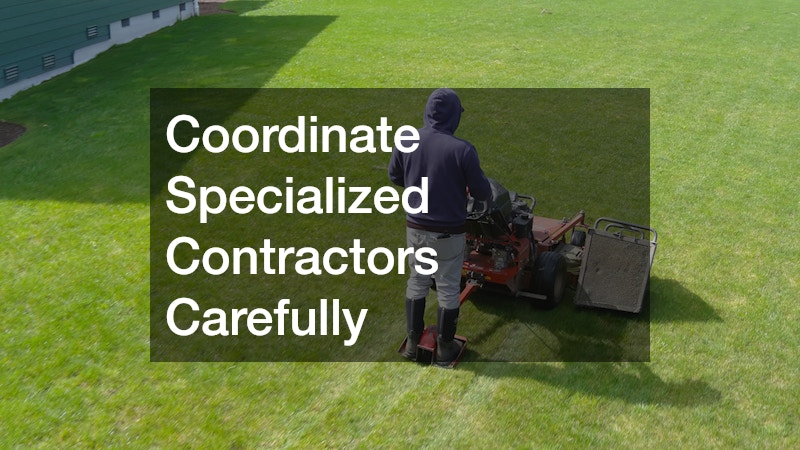
Rural properties often require multiple professionals over time. Surveying, excavation, water systems, paving, environmental mitigation, fire protection, electrical work, and agricultural services may involve different contractors.
Coordination becomes important when projects overlap.
Before excavation begins, underground utilities and existing systems should be located. Contractors should understand where wells, septic systems, geothermal loops, drainage structures, and electrical lines are positioned.
Landowners should keep maps, invoices, inspection documents, permits, warranties, and service records together. This information can save time when future repairs are necessary.
When hiring contractors, owners should verify licensing or certification requirements where applicable, request clear scopes of work, and understand what maintenance will be required after installation.
Choosing a contractor should involve more than comparing initial prices. Experience with rural properties, communication, scheduling, warranties, and familiarity with local conditions can all influence project success.
Create a Safer, More Productive Property Over Time
Effective rural land management is an ongoing process rather than a single project. The strongest properties are developed through regular observation, preventive maintenance, careful planning, and strategic investment.
Owners should periodically walk or drive the property and look for changing conditions. Drainage patterns can shift. Roads deteriorate. Vegetation grows. Pumps wear out. Buildings age. New operational needs emerge as farms, families, and businesses evolve.
Addressing problems while they are manageable often costs less than waiting for complete failure.
At the same time, productivity should remain an important consideration. Investments that improve access, water reliability, safety, land use, and operational efficiency can make rural acreage more useful for decades.
The goal is to create a property where infrastructure supports the activities taking place on the land. When roads remain accessible, water systems operate reliably, environmental hazards are controlled, drainage is managed, and important equipment is maintained, owners are better positioned to protect both people and property.
With careful planning and the right professional support, rural land can remain safe, functional, productive, and prepared for whatever the future brings.