Manufacturing today looks very different from what it did even a decade ago. What was once a series of isolated processes has become a connected system where materials, data, and services work together across multiple industries. This shift has created new opportunities for businesses to operate more efficiently, reduce waste, and improve output.
At the center of this evolution is integration. When sectors such as transportation, construction, energy, and logistics work together through shared manufacturing systems, the result is a more streamlined, responsive operation. Companies are no longer focused solely on production. They are building networks that support performance from start to finish.
This guide explores how advanced manufacturing connects industries and how businesses can improve efficiency in their own operations.
Understanding the Shift Toward Connected Manufacturing
The move toward interconnected systems is being driven largely by smart manufacturing companies that rely on automation, data, and real-time monitoring. These organizations are not just producing goods more quickly. They are redefining how production works by creating systems that adapt in real time. This allows for greater flexibility, improved accuracy, and faster response to changes in demand.
One of the most important aspects of connected manufacturing is visibility. When companies can see what is happening across every stage of production, they can identify inefficiencies and correct them immediately. This reduces delays and ensures that production continues without unnecessary interruptions. Over time, this level of control leads to more predictable outcomes and improved overall performance.
Another key factor is collaboration. Connected systems allow different departments and even different companies to work together more effectively. For example, a delay in one part of the supply chain can be communicated instantly, allowing adjustments before it impacts the final product. This level of coordination was difficult to achieve in the past, but modern technology has made it a standard expectation.
Despite the clear benefits, transitioning to connected manufacturing requires careful planning. Companies must invest in the right technology, train their workforce, and ensure that systems are compatible. However, those who make the transition successfully often see significant improvements in efficiency and profitability.
Building Strong Foundations with Precision Components
Efficiency begins with the quality of the components used in production. Even small parts can have a major impact on performance. A remanufactured transmission valve body is one example of how businesses can maintain quality while reducing costs.
Benefits of using remanufactured components:
- Lower cost compared to new parts
- Reduced environmental impact
- Maintained performance standards when properly rebuilt
When to consider remanufactured options:
- When original components are still structurally sound
- When cost savings are a priority
- When sustainability goals are part of the business strategy
Key considerations:
- Ensure components meet industry standards
- Work with reputable suppliers
- Evaluate long-term performance expectations
Choosing the right components helps create a reliable foundation for efficient operations. Quality components reduce the risk of unexpected breakdowns, ensure compatibility with existing systems, and support smoother production processes. They also contribute to greater safety, lower maintenance costs, and longer equipment life. By investing in proven, reputable parts, businesses can maintain high performance standards and build a manufacturing operation that adapts to future growth and technological changes.
Strengthening Infrastructure Through Reliable Fabrication
Behind every successful manufacturing system is a strong infrastructure. Metal fabrication plays a critical role in building the structures and components that support production across industries. From custom platforms and frames to precision enclosures and supports, quality fabrication not only provides the backbone for machinery but also helps meet strict safety, compliance, and performance standards. As manufacturing systems become increasingly complex and interconnected, investing in robust metal fabrication is essential for adapting quickly to new technologies, scaling operations, and ensuring long-term reliability in demanding environments.
What fabrication contributes:
- Custom solutions tailored to specific needs
- Durable components that withstand heavy use
- Flexibility for different applications
Common applications:
- Structural frameworks
- Equipment housings
- Support systems for machinery
Why quality matters:
- Poor fabrication can lead to system failures
- High-quality work improves longevity
- Strong components reduce maintenance needs
Tips for choosing a fabrication partner:
- Look for experience in your industry
- Review past projects
- Ensure they meet safety and quality standards
Reliable fabrication supports both performance and long-term efficiency. By working with experienced fabricators and prioritizing quality at every stage, manufacturers can reduce the risk of downtime, costly repairs, and safety issues. Strong fabrication also ensures precise fit and durability, which are critical for supporting heavy loads and complex machinery. Ultimately, investing in reliable fabrication not only boosts day-to-day productivity but also protects your operation’s infrastructure for years to come.
Leveraging Advanced Machining for Accuracy and Scale
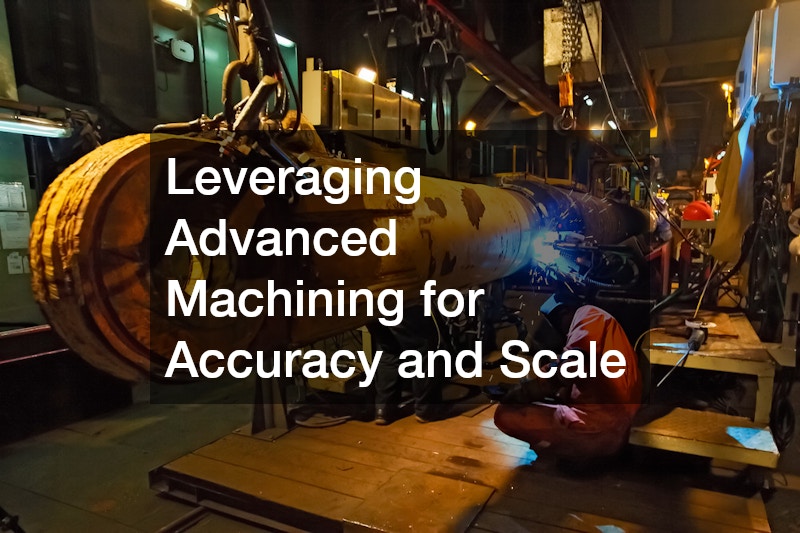
Precision is a defining characteristic of modern manufacturing. A CNC machining service enables businesses to produce components with high accuracy, ensuring consistency across large production runs. This level of precision is essential in industries where even small variations can cause significant problems.
CNC machining also improves scalability. Once a design is programmed, it can be reproduced consistently without the need for constant adjustments. This reduces production time and ensures that each component meets the same specifications. As a result, businesses can increase output without sacrificing quality.
The impact of precision extends beyond individual components. When parts fit together correctly, systems operate more smoothly and efficiently. This reduces wear and tear, minimizes the risk of failure, and extends equipment lifespan. Over time, these benefits contribute to lower maintenance costs and improved overall performance.
Selecting the right machining provider is an important decision. Businesses should look for partners with the necessary expertise, equipment, and experience to handle their specific requirements. By prioritizing precision, companies can enhance both efficiency and reliability.
Improving Workflow Efficiency with the Right Tools
The tools used in production directly impact speed and accuracy. The right equipment can streamline repetitive tasks, reduce manual labor, and minimize the risk of errors or defects. An air feed drill is one example of equipment designed to improve workflow efficiency, offering consistent precision, faster cycle times, and greater operator safety. In high-volume settings, investing in advanced tools like automated assembly systems or smart sensors can further optimize production, ensuring that quality and output remain high as demand grows.
Benefits of specialized tools:
- Increased production speed
- Reduced physical strain on workers
- Improved consistency
How to integrate tools effectively:
- Match tools to specific tasks
- Train staff on proper use
- Maintain equipment regularly
Common mistakes to avoid:
- Using outdated equipment
- Failing to maintain tools
- Overlooking training needs
Investing in the right tools helps streamline operations and reduce inefficiencies. The right equipment not only speeds up production and minimizes errors, but also helps ensure worker safety and supports consistent product quality. Upgrading to modern, specialized tools can open the door to new capabilities or automation opportunities, giving your business a competitive edge. By regularly assessing your tool inventory and aligning investments with evolving production needs, you set the stage for long-term operational success.
Supporting Industrial Systems with Specialized Components
Industrial systems rely on a wide range of specialized parts to function properly. These components are essential for maintaining the integrity, efficiency, and safety of complex operations. For example, a line blind valve manufacturer provides components that play a key role in controlling flow and ensuring safety. In addition, specialized parts like sensors, actuators, and custom fittings support automation, enable real-time monitoring, and help systems adapt to changing demands. The right mix of precision-engineered components can optimize performance, reduce downtime, and protect both people and property in industrial environments.
Why these components matter:
- Maintain system integrity
- Support safe operation
- Prevent leaks and failures
Applications include:
- Energy production
- Chemical processing
- Water treatment
Maintenance considerations:
- Regular inspections
- Timely replacements
- Proper installation
Specialized components ensure that systems operate smoothly and safely. By using parts specifically designed for unique applications, businesses can prevent leaks, minimize downtime, and maintain strict safety and compliance standards. High-quality specialized components also support long-term reliability and reduce the likelihood of costly failures or emergency repairs. Regularly evaluating and updating these components as technology advances further enhances system performance and protects your operation’s investment.
Connecting Land and Water Industries Through Manufacturing
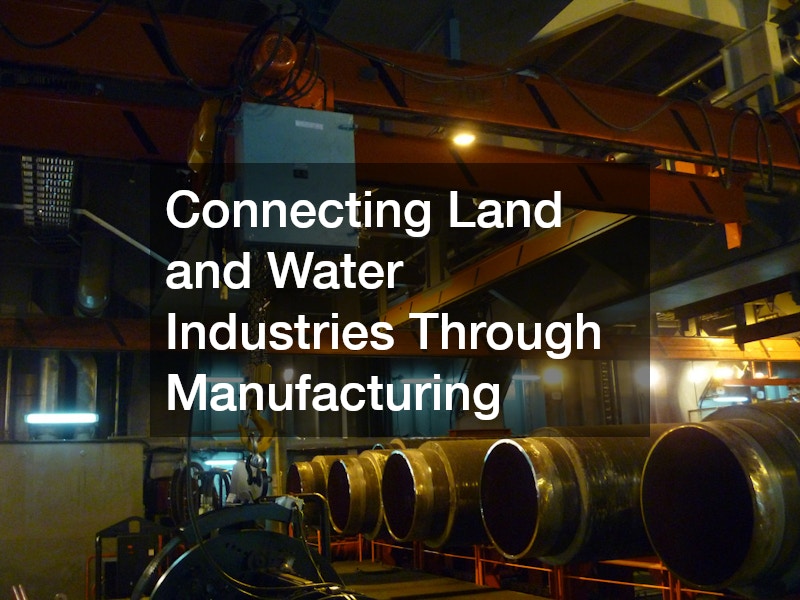
Manufacturing plays a vital role in connecting industries across different environments. A barge manufacturer, for example, supports the transportation of goods across waterways, while local marine lumber accessories provide the materials needed for construction and maintenance in marine settings.
This connection between land and water industries highlights the importance of integration. Materials produced in one sector are often used in another, creating a network of interdependent industries. Efficient manufacturing processes ensure that these connections remain strong and reliable.
Transportation is a key factor in this system. Barges offer a cost-effective way to move large quantities of goods, supporting supply chains spanning multiple regions. At the same time, marine accessories ensure that infrastructure remains durable and withstands challenging conditions.
Understanding these connections allows businesses to identify opportunities for improvement. By optimizing processes and improving coordination, companies can enhance efficiency across multiple sectors.
Enhancing Brand and Communication Through Production Services
Manufacturing is not limited to physical products. It also supports communication and branding efforts through printing services. These services play an important role in ensuring that information is conveyed clearly and effectively. Customized printing capabilities allow businesses to produce branded packaging, labels, safety signage, and promotional materials that reinforce brand identity while meeting regulatory requirements.
From instruction manuals to marketing materials, printed content helps businesses communicate with both employees and customers. Clear communication is essential to maintaining efficiency, as it ensures everyone understands their roles and responsibilities. Well-designed printed resources can streamline onboarding, reinforce safety protocols, and support ongoing training, thereby contributing to a more capable and confident workforce.
Consistency is another important factor. High-quality printed materials reflect a company’s commitment to professionalism and attention to detail. This can have a positive impact on both internal operations and external perception. Consistent branding across all print and packaging materials helps establish trust, strengthen customer loyalty, and differentiate a business in the marketplace.
By integrating communication tools into their operations, businesses can improve coordination and create a more cohesive working environment. Leveraging advanced printing technology also allows for quick updates to documentation or branding in response to new products, regulations, or market trends, helping companies remain flexible and responsive in a fast-changing business landscape.
Protecting Assets and Operations in Industrial Environments
Security is often overlooked in manufacturing, but it plays a critical role in maintaining efficiency. A security service helps protect both physical assets and operational processes. Comprehensive security measures—such as surveillance systems, secure entry protocols, and real-time monitoring—can deter theft, prevent unauthorized access, and reduce the risk of vandalism or sabotage. In addition, strong security practices help safeguard intellectual property, protect sensitive data, and ensure that only authorized personnel interact with essential equipment. Investing in security not only minimizes potential disruptions and losses, but also creates a safer, more trustworthy environment for employees and partners alike.
Key risks to consider:
- Theft of materials or equipment
- Unauthorized access
- Safety hazards
Benefits of strong security:
- Reduced risk of loss
- Improved employee safety
- Protection of sensitive information
Best practices:
- Implement access controls
- Monitor key areas
- Train staff on security protocols
Protecting assets ensures uninterrupted operations. Investing in robust security systems—such as surveillance cameras, access controls, and real-time monitoring—helps deter theft, prevent unauthorized access, and quickly identify potential threats. Effective asset protection also safeguards valuable equipment, minimizes downtime from lost or damaged materials, and helps companies comply with regulations or insurance requirements. By prioritizing security, businesses not only maintain operational continuity but also foster a safer, more productive working environment for employees.
Creating a Unified System for Long-Term Growth
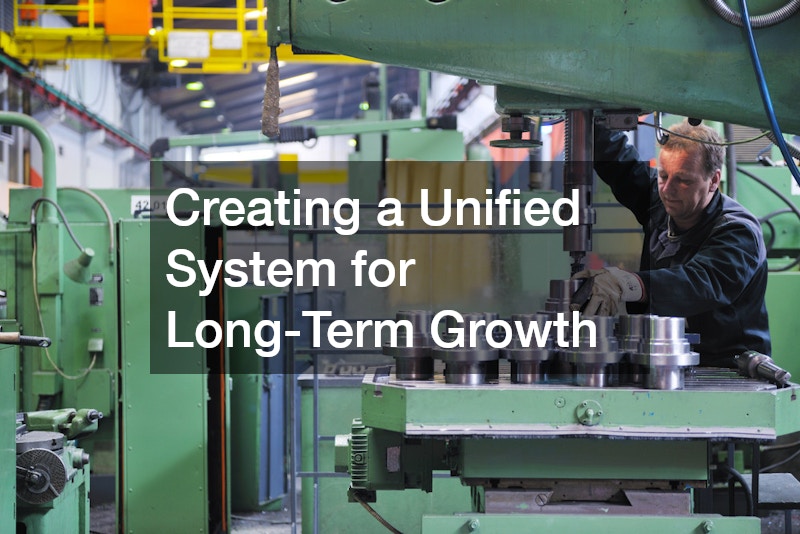
The ultimate goal of advanced manufacturing is to create a unified system where all components work together seamlessly. Smart manufacturing companies focus on integration, bringing together technology, processes, and people to achieve optimal performance.
This approach allows businesses to respond more effectively to changes in demand and adapt to new challenges. By connecting systems and improving communication, companies can create a more flexible and resilient operation.
Planning for long-term growth involves continuous evaluation and improvement. Businesses must stay informed about new technologies and be willing to adapt their strategies as needed. By focusing on integration and efficiency, companies can position themselves for sustained success.
Advanced manufacturing has transformed the way industries operate. By connecting systems, improving precision, and integrating services, businesses can achieve greater efficiency and performance.
The key is to focus on collaboration, quality, and continuous improvement. When all parts of the system work together, the result is a more resilient and effective operation that can adapt to changing demands and drive long-term growth.