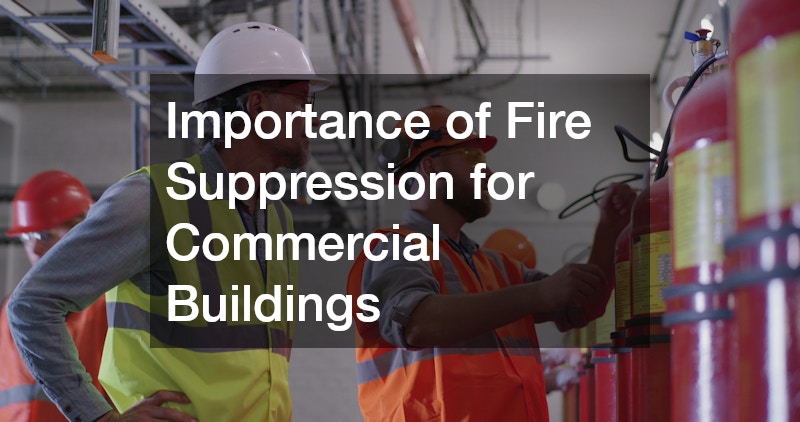
Fire suppression systems are a critical component of safety and risk management in commercial buildings. Offices, warehouses, healthcare facilities, restaurants, and industrial sites all face unique fire risks due to occupancy levels, equipment use, and stored materials. A properly designed and maintained fire suppression system helps protect lives, limit property damage, and ensure business continuity after an incident. Beyond emergency response, these systems also play a key role in regulatory compliance and long-term cost control, making them a foundational investment for any commercial property.
Why Are Fire Suppression Systems Essential for Commercial Buildings?
The primary purpose of fire suppression systems is to protect people inside the building. When a fire breaks out, these systems activate quickly—often before emergency responders arrive—to control or extinguish flames.
Early suppression reduces heat, smoke, and toxic gases, which are the leading causes of injury and fatalities during fires. By slowing fire spread, suppression systems provide occupants with valuable time to evacuate safely. In high-traffic commercial environments, this time buffer is essential for preventing panic, reducing injuries, and enabling orderly evacuations. In many cases, suppression systems also protect first responders by limiting fire intensity before they enter the building.
Commercial buildings are subject to strict fire safety regulations at local, state, and national levels. Fire codes and standards—often based on NFPA guidelines—require specific types of fire suppression systems depending on building use, size, and hazard classification. Failure to comply can result in fines, failed inspections, operational shutdowns, or legal liability. Routine inspections, testing, and documentation are typically required to demonstrate compliance. Conducting a scheduled fire suppression inspection ensures systems meet current code requirements and remain approved by authorities having jurisdiction. Staying compliant not only avoids penalties but also reinforces a building’s overall safety posture.
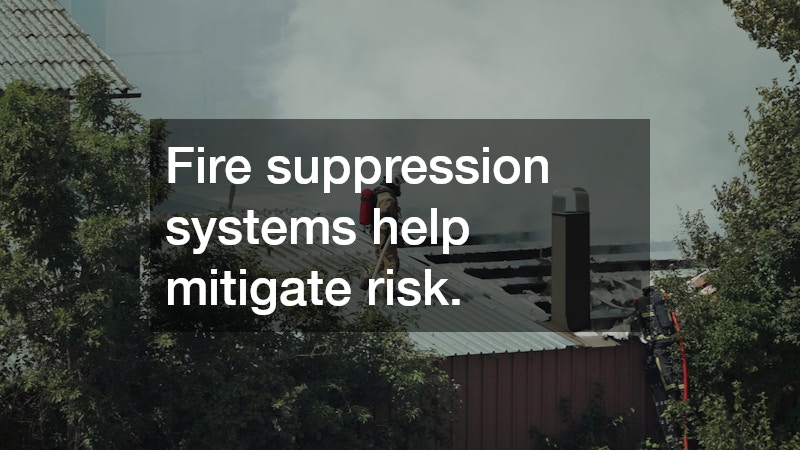
From a financial standpoint, fire suppression systems help mitigate risk and protect long-term investments. Fires can cause extensive damage to structures, equipment, inventory, and data, often resulting in prolonged business interruptions. Effective suppression minimizes damage and accelerates recovery, reducing downtime and lost revenue. Insurance providers also factor fire protection into risk assessments. Buildings with modern, well-maintained suppression systems may qualify for lower premiums and better coverage terms. Over time, these savings can offset installation and maintenance costs while providing measurable financial protection.
How Do Different Types of Fire Suppression Systems Work?
Sprinkler systems are the most widely used fire suppression solution in commercial buildings. They operate by releasing water when heat from a fire triggers individual sprinkler heads. Contrary to common misconceptions, only the sprinkler heads exposed to heat activate, not the entire system. There are several types of sprinkler systems, including wet pipe, dry pipe, pre-action, and deluge systems. Each is designed for specific environments, such as temperature-controlled offices, cold storage facilities, or high-hazard industrial spaces. Sprinkler systems are highly effective at controlling fires early, significantly reducing fire spread and structural damage.
Gas suppression systems use inert or chemical agents to extinguish fires without water. These systems work by reducing oxygen levels, interrupting the chemical reaction of combustion, or absorbing heat. Common agents include FM-200, Novec 1230, and inert gas blends. Gas suppression systems are ideal for environments where water damage would be catastrophic, such as data centers, server rooms, museums, and electrical control rooms. They suppress fires quickly while protecting sensitive equipment and minimizing cleanup. However, proper system design and monitoring are essential to ensure occupant safety.
Water mist systems use fine water droplets to suppress fires more efficiently than traditional sprinklers. The mist absorbs heat rapidly, cools flames, and displaces oxygen around the fire source. Because they use significantly less water, these systems reduce water damage and runoff. Water mist systems are commonly used in healthcare facilities, transportation hubs, and industrial applications where water conservation or space constraints are a concern. Their effectiveness and versatility make them an increasingly popular option in modern commercial construction.
What Are the Maintenance and Testing Requirements?
Regular maintenance is essential to ensure fire suppression systems function as intended. Routine procedures include visual inspections of pipes, valves, nozzles, control panels, and alarm connections. Technicians check for corrosion, obstructions, leaks, and mechanical damage that could impair performance. Maintenance also involves ensuring system components remain accessible and unobstructed. Changes to building layouts, storage practices, or equipment placement can compromise system effectiveness if not addressed promptly.
Fire suppression systems must be tested at defined intervals to verify reliability. Testing protocols vary by system type but often include flow tests, pressure checks, alarm activation tests, and control system evaluations. These procedures confirm that the system will activate correctly during an emergency. Documented testing is often required for regulatory compliance and insurance purposes. A scheduled fire suppression inspection provides verification that systems meet operational standards and helps identify issues before they become failures.
Common maintenance challenges include aging infrastructure, limited access to system components, and disruptions to building operations during testing. Older systems may require upgrades to remain compliant with current codes, while newer systems demand specialized expertise. Proactive planning and working with qualified service providers help address these challenges. Establishing a maintenance schedule, maintaining accurate records, and budgeting for upgrades ensures suppression systems remain reliable and compliant without unexpected disruptions.
Fire suppression systems are essential safeguards for commercial buildings, protecting occupants, property, and business operations. From ensuring safe evacuations and meeting legal requirements to reducing financial risk, these systems play a vital role in overall building safety. Understanding how different suppression technologies work and committing to regular maintenance and testing helps ensure reliable performance when it matters most. By prioritizing effective fire suppression and ongoing compliance, commercial property owners strengthen safety, resilience, and long-term operational stability.