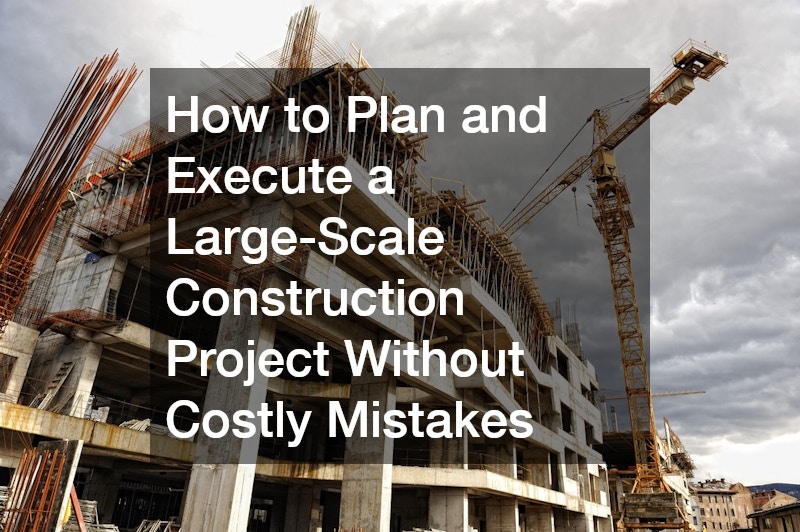
Planning and executing a large-scale construction project is a complex process that requires coordination, foresight, and the right team. Whether you’re developing a commercial facility, agricultural structure, or infrastructure project, even small oversights can lead to major delays and budget overruns. The key to success lies in understanding each phase of the process and ensuring every component—from planning to final paving—is handled correctly.
Below is a comprehensive guide to help you avoid costly mistakes and keep your project running smoothly from start to finish.
Start With a Solid Foundation: Pre-Construction Planning

Every successful construction project begins long before any equipment arrives on-site. The planning phase sets the tone for everything that follows.
One of the first steps is hiring a reliable land surveying service. Accurate surveying ensures you understand property boundaries, elevation changes, and potential site challenges. Skipping or rushing this step can result in legal disputes, drainage issues, or structural misalignment later on.
At the same time, engaging a structural engineering service is critical. Engineers evaluate load requirements, soil conditions, and building integrity to ensure your project is safe and compliant with local regulations. Poor engineering decisions at this stage can lead to expensive redesigns or even structural failure.
A well-documented plan that includes timelines, budgets, and contingency strategies will help prevent unexpected surprises as the project progresses.
Conduct Feasibility and Risk Assessments Early
Before committing resources, it’s essential to evaluate whether your project is viable from financial, environmental, and logistical perspectives. A feasibility study helps determine if the site, budget, and scope align with your goals.
Risk assessments should also be conducted to identify potential issues such as zoning restrictions, environmental concerns, or supply chain disruptions. By addressing these factors early, you can develop mitigation strategies that prevent delays later in the process.
Collaborating with experienced professionals—including local general contractors and consultants—can provide valuable insights during this stage. Their experience helps identify red flags that may not be obvious during initial planning.
Build the Right Team From the Beginning

Choosing the right professionals is one of the most important decisions you’ll make.
Start by evaluating experienced local general contractors who understand regional regulations, climate considerations, and supplier networks. Their local knowledge can help streamline permits, inspections, and sourcing materials.
For larger developments, hiring a commercial building contractor ensures your project is managed with the scale and complexity in mind. These contractors are equipped to coordinate multiple teams, manage large budgets, and maintain compliance with commercial standards.
It’s also important to identify specialized professionals early in the process. For example, bringing in a roofing contractor during the planning phase—not just at the end—can help ensure structural compatibility and proper drainage design.
A strong, experienced team reduces the likelihood of miscommunication, delays, and costly rework.
Develop a Clear Timeline and Milestones

A detailed project timeline is essential for keeping everything on track. Break the project into phases and assign realistic deadlines for each stage.
Milestones should include:
- Site preparation completion
- Foundation installation
- Structural framing
- Roofing and exterior work
- Final inspections and finishing
Assigning accountability for each milestone ensures progress is measurable and transparent. Regularly reviewing the timeline allows you to adjust for unexpected changes without derailing the entire project.
To make your timeline even more effective, it’s important to build in buffer periods between major phases. Construction projects rarely go exactly as planned, and allowing extra time for inspections, material delays, or weather interruptions can prevent small setbacks from turning into major disruptions. Without these buffers, even minor delays can create a domino effect that impacts the entire schedule.
Another key factor is sequencing tasks properly. Certain phases cannot begin until others are fully completed, and overlapping tasks without proper coordination can lead to rework. For example, starting interior work before structural framing is fully approved can result in costly corrections. Mapping out dependencies between tasks ensures each phase flows logically into the next.
Technology can also play a major role in timeline management. Using project management software allows you to visualize progress, assign responsibilities, and track updates in real time. Tools like Gantt charts make it easier to identify bottlenecks and adjust schedules proactively. When everyone involved has access to the same timeline, it improves coordination and reduces confusion.
It’s also important to involve key stakeholders when developing and updating the timeline. Contractors, engineers, and suppliers should all have input, as they can provide realistic expectations based on their expertise. This collaborative approach helps create a schedule that is both practical and achievable.
Regular progress meetings should be scheduled to review milestones and address any delays immediately. These meetings create accountability and ensure that issues are identified early rather than after they’ve already impacted the timeline. Even short weekly check-ins can make a significant difference in keeping the project on track.
Finally, always monitor resource availability alongside your timeline. Delays often occur not because of poor planning, but because materials, labor, or equipment are not available when needed. Coordinating deliveries and scheduling crews in advance ensures that each phase can begin on time without unnecessary waiting.
By combining clear milestones, realistic expectations, built-in flexibility, and consistent communication, your project timeline becomes a powerful tool that keeps every aspect of the construction process aligned and moving forward efficiently.
Secure the Right Equipment and Resources
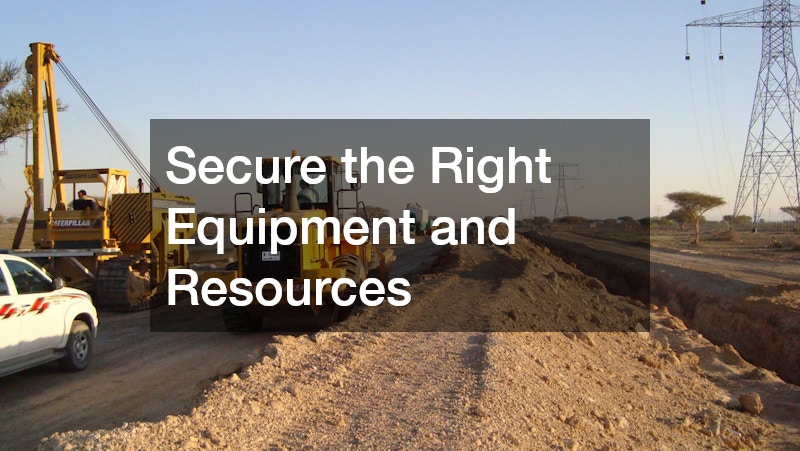
Equipment plays a major role in both efficiency and safety. Rather than purchasing expensive machinery outright, many projects benefit from construction equipment rental options.
Renting allows you to access modern, well-maintained equipment without the long-term financial commitment. It also gives you flexibility to scale your resources based on each phase of the project.
For heavy lifting and vertical construction tasks, crane rentals are essential. Cranes enable the safe movement of large materials such as steel beams, HVAC systems, and prefabricated components. Choosing the right crane type and operator is crucial to maintaining safety and staying on schedule.
In projects involving rural or undeveloped land, agricultural equipment services can also play a key role. These services help with land clearing, grading, and soil preparation—especially when the terrain is uneven or heavily vegetated.
Having the right equipment at the right time ensures smoother operations and minimizes downtime.
Prepare the Site for Efficiency and Compliance
Before construction begins, the site must be properly prepared and organized.
This includes clearing debris, leveling the ground, and setting up temporary infrastructure. One often-overlooked aspect of site preparation is worker accommodation. Providing porta potties ensures compliance with health regulations and improves overall worker productivity and morale.
Failing to address basic site logistics can lead to delays, safety violations, and dissatisfied crews.
Additionally, proper site access should be established early. Clear entry and exit points for vehicles and equipment reduce congestion and help maintain a safe working environment.
Establish Strong Communication Systems
Communication is one of the most overlooked yet critical aspects of construction management. Miscommunication can lead to errors, rework, and costly delays.
Set up regular check-ins with all stakeholders, including contractors, engineers, and project managers. Use project management software to track progress, assign tasks, and document changes.
Clear documentation ensures that everyone is aligned and reduces the likelihood of misunderstandings. It also creates a record that can be referenced if disputes arise.
Coordinate Each Phase of Construction Carefully
Large-scale construction projects involve multiple phases that must be carefully coordinated to avoid overlap and inefficiency.
Start with foundational work, ensuring that excavation and grading are completed accurately. From there, structural components can be installed, followed by framing, roofing, and interior systems.
Clear communication between teams is essential. Regular meetings and progress updates help ensure everyone is aligned and aware of upcoming tasks.
Bringing in a roofing contractor at the appropriate stage ensures the structure is protected from weather exposure as soon as possible. Delays in roofing can lead to water damage, mold growth, and material degradation.
Proper sequencing of tasks prevents bottlenecks and keeps the project moving forward efficiently.
Monitor Quality Control Throughout the Project
Maintaining consistent quality is essential to avoiding costly repairs and ensuring long-term durability.
Implement regular inspections at each stage of construction. This includes verifying materials, checking workmanship, and ensuring compliance with design specifications.
Working with a reputable commercial building contractor helps maintain high standards across all phases. They often have established quality control processes that ensure consistency and reliability.
Addressing issues immediately—rather than waiting until the end—prevents minor problems from becoming major expenses.
Prioritize Safety at Every Step
Safety should never be an afterthought. Construction sites inherently involve risks, but many accidents can be prevented with proper planning and training.
Ensure all workers are trained on equipment usage and safety protocols. Regular inspections of machinery—especially rented equipment—are critical to preventing malfunctions.
Using crane rentals requires strict adherence to load limits and operational guidelines. A single mistake with heavy lifting equipment can result in serious injury or project delays.
Providing proper signage, protective gear, and designated work zones helps create a safer environment for everyone on-site.
Manage Your Budget With Precision
Budget overruns are one of the most common challenges in construction projects. To avoid this, it’s important to track expenses closely and plan for contingencies.
Using construction equipment rental instead of purchasing machinery can significantly reduce upfront costs. It also eliminates maintenance and storage expenses.
Working with experienced local general contractors helps ensure accurate cost estimates and efficient resource allocation. Their familiarity with local suppliers and labor rates can help you stay within budget.
Regular financial reviews and transparent communication with stakeholders are essential for maintaining control over project costs.
Stay Flexible and Adapt to Changes
Even with careful planning, unexpected challenges can arise. Weather delays, material shortages, and regulatory changes can all impact your timeline.
Building flexibility into your schedule and budget allows you to adapt without compromising the overall project. Having backup suppliers and contingency plans ensures you can respond quickly to disruptions.
A proactive approach to problem-solving helps keep the project moving forward despite obstacles.
Avoid Common Mistakes That Lead to Delays
Even well-planned projects can encounter setbacks if certain mistakes are not avoided.
One common issue is underestimating the importance of early-stage services like land surveying service and structural engineering service. Skipping these steps often leads to costly corrections later.
Another mistake is failing to coordinate equipment availability. Delays in securing crane rentals or other machinery can halt progress and increase labor costs.
Poor communication between contractors, engineers, and suppliers can also create confusion and inefficiencies. Establishing clear lines of communication from the beginning helps prevent misunderstandings.
Being proactive and detail-oriented can save both time and money.
Focus on the Final Phases and Project Completion
As the project nears completion, attention to detail becomes even more important.
Finishing work such as asphalt paving plays a major role in both functionality and aesthetics. Proper paving ensures smooth access for vehicles, improves drainage, and enhances the overall appearance of the property.
Final inspections should be conducted to ensure all systems are functioning correctly and meet regulatory standards. Addressing minor issues before project handoff can prevent future liabilities.
At this stage, it’s also important to review all documentation, including warranties, permits, and maintenance guidelines.
Conduct Post-Project Evaluation and Maintenance Planning
Once construction is complete, a thorough evaluation helps identify successes and areas for improvement.
Gather feedback from contractors, project managers, and stakeholders to understand what worked well and what could be optimized in future projects.
Developing a maintenance plan ensures the long-term performance of the structure. Regular inspections of roofing systems, paved surfaces, and structural components help prevent deterioration.
Partnering with trusted providers—including those who handled asphalt paving and roofing contractor services—can make ongoing maintenance more efficient and reliable.
Bringing It All Together
Planning and executing a large-scale construction project requires a strategic approach that balances preparation, coordination, and adaptability.
From hiring a reliable land surveying service and structural engineering service to working with experienced local general contractors and a qualified commercial building contractor, every decision plays a role in the project’s success.
Utilizing construction equipment rental, crane rentals, and agricultural equipment services ensures you have the tools needed for each phase, while proper site preparation—including essentials like porta potties—keeps operations running smoothly.
Finally, attention to finishing details such as asphalt paving and collaboration with a skilled roofing contractor ensures your project is completed to the highest standard.
By taking a comprehensive and proactive approach, you can avoid costly mistakes and deliver a successful construction project that stands the test of time.